Eggy Bathrooms, Musty Kitchens: Decoding Drain Smells in North West Homes
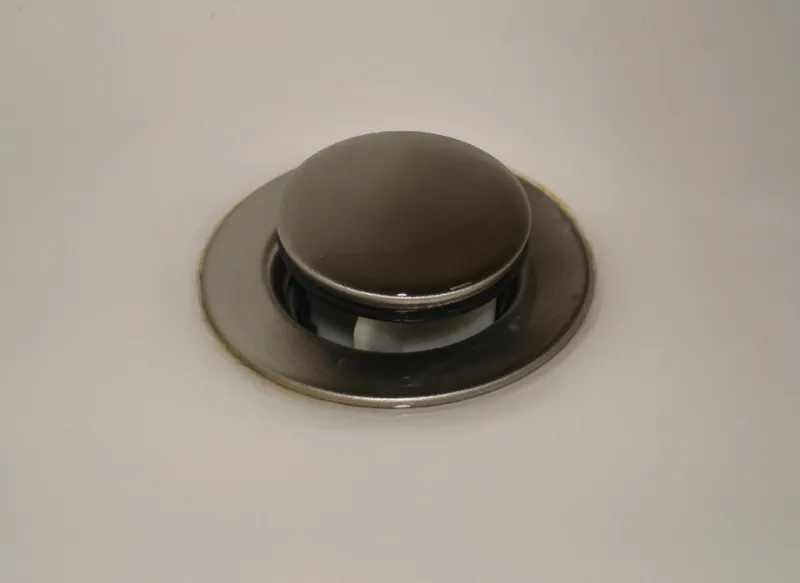
Photo: Stilfehler, CC BY-SA 3.0, via Wikimedia Commons
Most drain smells are not random. They are clues. In North West homes — especially older terraces, semis and flats with shared drainage — a whiff in the bathroom or a musty note in the kitchen can point to a dry trap, a failing seal, a part-blocked waste pipe or something more serious under the floor. The trick is to follow your nose room by room, then decide whether it is a five-minute fix or a job for a CCTV drain survey.
First, a quick safety note
A faint whiff from an unused basin is one thing. A strong sewage smell that lingers, makes you feel headachy or appears alongside slow drains is another. Open windows, avoid lighting matches near drains and do not start pouring harsh chemicals into standing water. If the smell is powerful or comes with gurgling, backing-up water or damp patches, stop poking about and get a professional opinion.
Bathroom: the classic eggy pong
A sulphur-like smell around the basin, bath or shower is usually connected to the trap — the U-bend that holds a small amount of water and blocks sewer gases. If a guest bathroom or downstairs shower has not been used for weeks, that water can evaporate. Run the taps and shower for a minute and see if the smell fades.
If it does not, look for biofilm. Hair, soap scum and body oils collect in wastes and overflows, and the resulting smell can be surprisingly strong. Remove hair from the shower waste, clean the plug hole and check the bath overflow slot. A basin trap can often be unscrewed by hand — put a bucket underneath first and be prepared for the contents to be unpleasant.
Persistent eggy smells plus slow drainage or gurgling suggest a partial blockage or a venting problem. Gurgling is the sound of air being pulled through a trap because something is restricting the pipe. That is a sign to stop and book a survey rather than keep adding cleaners.
Kitchen: musty, sour or drains-from-the-past
Kitchen smells often get blamed on the bin, but the sink waste is a common culprit. Food scraps, grease and washing-up water coat the inside of the pipe, and a musty or sour smell can drift up from the trap. Clean the trap, check the dishwasher hose for a proper loop and look at the washing machine standpipe if it shares the same area.
A damp, earthy smell under the sink deserves a closer look. Wipe a tissue around the pipe joints and the bottom of the cabinet. If the tissue comes away damp, you have a leak — even a slow one can rot the carcass and encourage mould. Flexi hoses and push-fit joints are handy for DIY installs, but they can fail quietly. A persistent damp smell after cleaning is a good reason to have the waste pipe checked properly.
Downstairs toilet or utility: sewage wafts
A sewage smell near a downstairs loo is worth taking seriously. If the toilet is rarely used, the pan trap may have dried out. Flush it and run the basin tap. Also check the seal around the base of the toilet; a failed pan seal can let gases escape. In utility rooms, look at the washing machine standpipe and any floor gully, which can dry out or become clogged with lint and soap residue.
If the smell returns quickly, or you notice gurgling from the loo when the sink empties, the issue may be deeper in the soil pipe or shared drain. North West terraces often have drainage runs beneath rear extensions, kitchens or yards, and a cracked pipe or root ingress can send gases back towards the house. That is a classic case for a camera survey rather than another bottle of bleach.
Hallway or under stairs: the earthy damp clue
A damp, cellar-like smell in a hallway, under stairs cupboard or ground-floor room can be an underground drain leak. Look for damp patches on the floor, salt-like bloom on brickwork, lifted paint or a sudden gathering of small flies. Do not ignore a smell that gets worse after rain. Groundwater and drain water can both make an underground leak more obvious when the ground is wet.
This is not usually a DIY trap-and-clean job. A drainage contractor can test the line, run a CCTV camera through it and identify whether the pipe is cracked, displaced or blocked.
Outside: gullies, back alleys and manholes
If the smell is strongest outside the back door, check the gully and drain cover. In many North West back alleys, leaves, silt and food waste collect in gullies and create a stagnant, sewage-like smell. Clear what you can safely reach with gloves and a shovel, and check that the gully has water in its trap. A dry gully can let odours back up.
If a manhole smells strongly or overflows during heavy rain, leave the cover alone and call a professional. Manhole covers can be heavy, and there may be a blockage or surcharge further down the line. Never lift a cover if there is standing water or if you are unsure what the drain serves.
Safe checks versus professional territory
Safe checks include running taps, cleaning accessible traps, removing hair, checking for damp around visible pipes and clearing leaves from an outside gully. Stop there if you need to lift a heavy cover, rod a shared drain, dig near foundations or deal with repeated sewage smells. Those are warning signs of a blockage, a broken pipe or a venting fault that a proper survey can pin down.
The bottom line: a drain smell is information. Follow it room by room, fix the simple trap and cleaning issues, and call in the trade when the smell keeps coming back or brings friends like gurgling, slow drainage or damp patches. That is how you avoid guessing — and avoid paying twice.