Kettles, Caustic Soda and Coat Hangers: An Honest Scorecard for DIY Drain Fixes
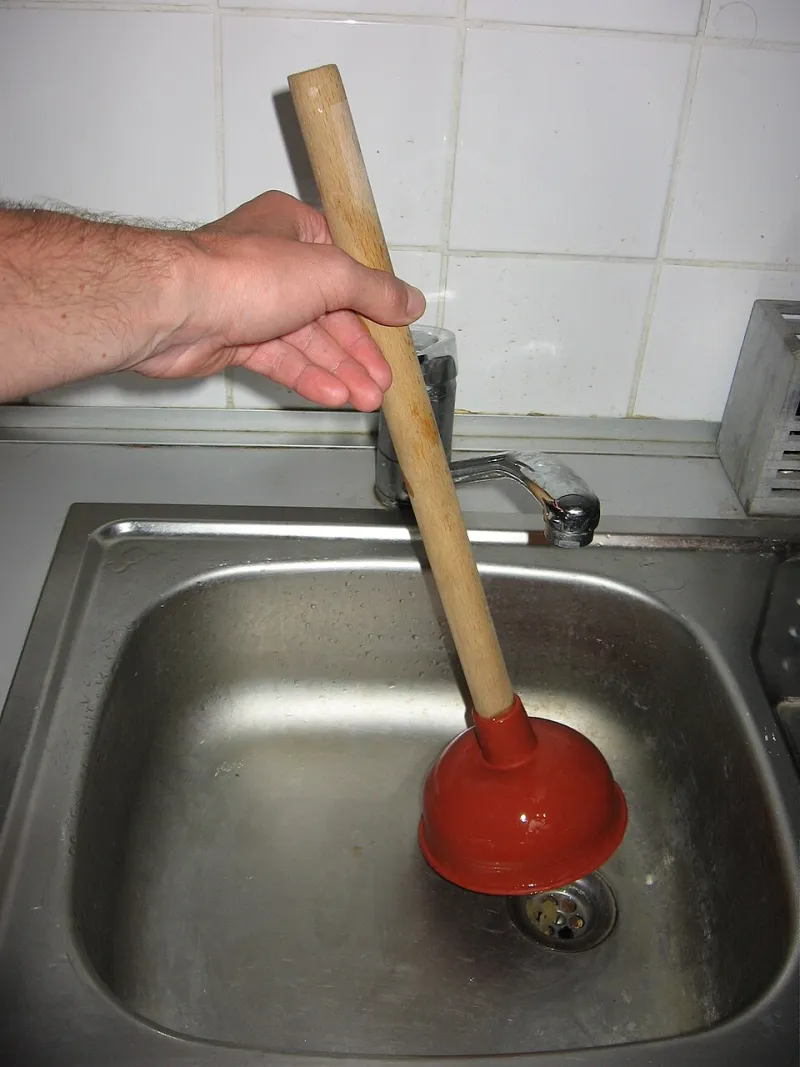
Photo: M.Minderhoud, CC BY-SA 3.0, via Wikimedia Commons
Every household has a drawer with a plumber's worst nightmare in it: a bottle of caustic soda, a bent wire coat hanger, and a firm belief that the problem can be sorted before Monday. Fair play. Nobody wants to pay a call-out for something a kettle can fix.
But as winter rolls in and the sink starts draining more slowly than it did in August, it is worth knowing which of these remedies genuinely help, which do nothing at all, and which quietly cost you more than the engineer would have.
Hot water: the one that genuinely works
A kettle is the best free tool in the house — with one caveat. Hot water shifts fat, grease and soap residue that has congealed in the trap or the first metre of pipe, and a splash of washing-up liquid helps it along.
The caveat is temperature. Modern waste pipes are usually polypropylene, and the traps under most sinks are plastic too. Water at a rolling boil can soften and distort them over repeated doses, and pouring a full kettle straight down a toilet pan risks cracking the vitreous china through thermal shock. Let the kettle stand for a minute, then pour. Warm-to-hot is doing the work, not volcanic.
The plunger: still the best six quid in the house
If you only own one drain tool, make it a cup plunger. It is cheap, it is effective, and it removes the blockage rather than dissolving a bit of it.
Technique matters more than force. Block the overflow with a wet cloth, plug the second bowl if you have a double sink, make sure there is enough water to cover the cup, then give it ten to fifteen firm strokes and pull away sharply on the last one. A toilet needs a flange plunger, not a cup.
Baking soda and vinegar: a satisfying fizz and not much else
The internet loves this one. The two ingredients react to produce carbon dioxide, which looks impressive and does almost nothing to a solid plug of fat, because the gas escapes upwards rather than pushing sideways against the blockage. It is harmless, it is cheap, and it makes the sink smell better. It is not a fix.
Caustic soda: the one that worries us
This is the remedy that turns a blocked sink into an awkward conversation.
Sodium hydroxide dissolves fat and hair by chemical reaction, and that reaction gives off heat. In a plastic trap or an older joint, that heat is the problem: it can soften seals, warp thin-walled pipe and leave a joint that weeps quietly for months before anyone notices the damp patch. Caustic also attacks aluminium fittings, which are still lurking under plenty of older kitchen sinks in this part of the world.
The bigger risk is misuse. If the water is not draining, the chemical sits there as a reservoir. Plunge it afterwards and you invite a splash into your eyes. Remove the trap a day later without gloves and you find out what a chemical burn feels like. Mix it with a bleach-based cleaner and you can generate something genuinely unpleasant in a small kitchen.
A single careful dose, following the label to the letter, in a metal waste with proper gloves and eye protection, is defensible. Repeated dosing as a monthly habit is not. And if the water is already standing in the bowl, do not add caustic to it.
Bleach: masks the smell, does nothing for the blockage
Bleach is a disinfectant, not a degreaser. It will knock back the whiff coming up from the plughole and do nothing whatsoever about the fat behind it. Used repeatedly, it degrades rubber washers and seals, and if your property runs to a septic tank it kills the bacteria the system depends on. Keep it for the bleach job.
The wire coat hanger: the most expensive free tool you own
Unbend a coat hanger, poke it down the plughole, and you are running a rough metal hook against a plastic pipe wall. Scratches create a key for the next layer of grease to cling to, which is why the sink blocks again three weeks later. Worse, levering at a bend can push a solvent-welded joint apart or puncture a flexible waste pipe behind the cabinet — and then you are not dealing with a blockage, you are dealing with a leak.
On older clay drainage, a hanger that goes too far can jam in a bend or leave a rusting hook behind for the next camera survey to find. A proper drain snake costs less than a takeaway and does the job without the damage.
Enzyme treatments: slow, unglamorous, actually useful
Biological drain maintainers are not rescue tools. They will not clear a blockage tonight. What they will do is keep a slow-draining sink from getting worse if you dose weekly, and keep a septic tank's bacteria population healthy through the winter. Judge them as prevention, not cure.
Where DIY stops saving money and starts costing it
There is a clear line, and it is usually crossed without anyone noticing:
- Water backs up in more than one fixture. That points to a blockage downstream of the traps, where a plunger cannot reach.
- Another room gurgles when you empty the sink. The problem is in the shared run or the stack, not your trap.
- An outside gully is sitting full. That is drainage, not plumbing.
- You have tried twice and it is no better. A third attempt is just money spent on nothing.
- There is a sewage smell indoors, or anything backing up that should not be.
- You live in a rented property — the repair is almost certainly the landlord's responsibility, and DIY could leave you liable.
And the quietest one of all: if the water is not moving, every extra bottle of caustic you pour in is just building up a more dangerous mess for the person who eventually has to open the pipe. That is labour you pay for.
The verdict, in one table
| Remedy | Verdict |
|---|---|
| Hot water and washing-up liquid | Useful, use it first |
| Cup plunger | Best value tool you can buy |
| Baking soda and vinegar | Harmless theatre |
| Caustic soda | Risky; single dose at most |
| Bleach | Smell only, hard on seals |
| Wire coat hanger | Damaging; do not |
| Enzyme maintainer | Good prevention, poor rescue |
The bottom line
Buy a plunger, keep a sink strainer, pour cooled fat into a jar rather than down the plughole, and give a slow drain hot water before it becomes a blocked one. When the water genuinely stops moving — or when more than one thing is backing up — stop pouring things into it and call someone who can put a camera down it. That is the point where DIY stops being thrifty.