When the House Is Full and the Loo Isn't: A Bank Holiday Drain Survival Guide
Bank holiday weekends in the North West have a familiar rhythm. Extra cars on the M6, garden chairs dragged out, a barbecue planned under a sky that cannot quite commit. Then someone flushes a loo and the house goes quiet. Not because it is fixed — because it is not.
When the house is full, drains work harder. More showers, more loo trips, more cooking, more washing up. And when something goes wrong, it tends to happen on a Sunday evening when every plumber in Greater Manchester, Merseyside and Lancashire seems to be at a barbecue of their own. This is the playbook for spotting the trouble early, buying yourself time and knowing when to stop poking at it.
1. The toilet that picks the worst possible moment
A backed-up toilet is the classic bank holiday emergency. With more people in the house, a narrow old waste pipe or a slow-running drain can quickly turn into a rising pan. The temptation is to keep flushing and hope. Don't. If the water is rising rather than draining, stop using that toilet immediately and put a note on the door. In a busy house, that note is the difference between a problem and a proper mess.
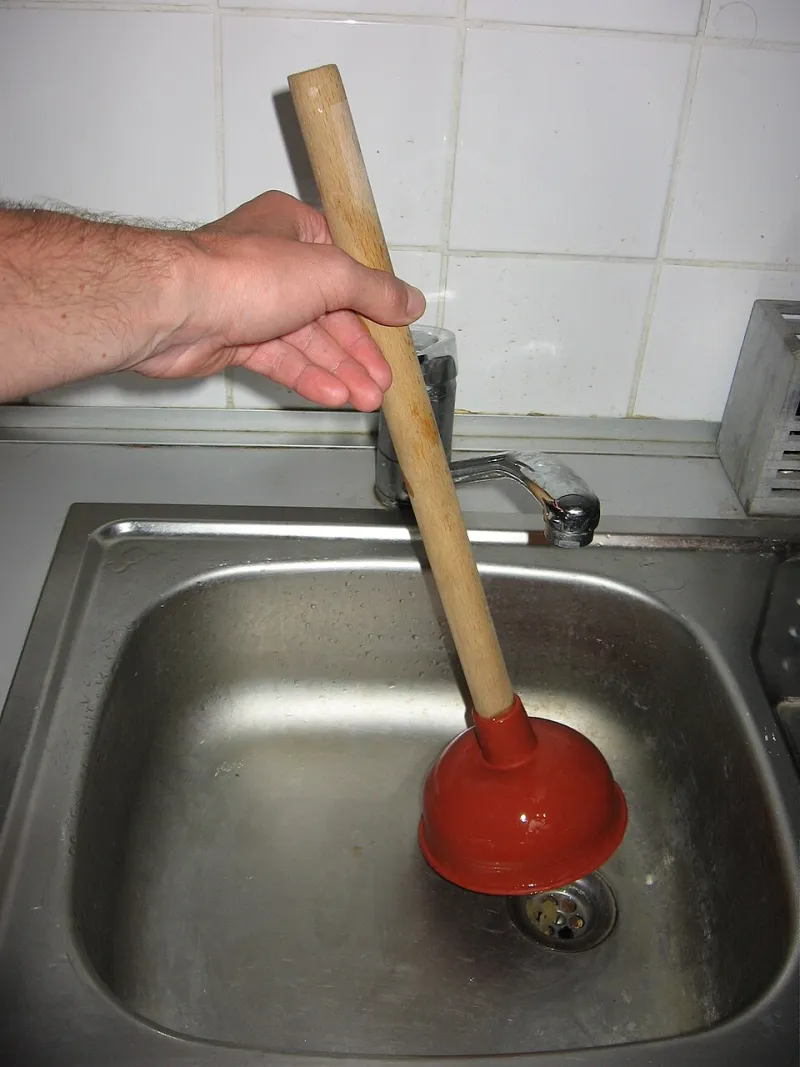
A simple plunger can sometimes shift a soft blockage, but only if the water is not already near the rim. If there is any sign of sewage coming back up elsewhere — a bath, a shower tray, an outside gully — stop. That points to a blockage further down the line, not a loo that needs a quick plunge.
2. The kitchen sink that turns into a paddling pool
Bank holiday cooking is hard on kitchen drains. Roast fats, gravy, stuffing, rice, potato peelings and the general debris of feeding a crowd all find their way towards the trap. Fat is the quiet troublemaker: it goes down warm and liquid, then cools and sets somewhere it should not. Rice and peelings do the same sort of damage in a different way.
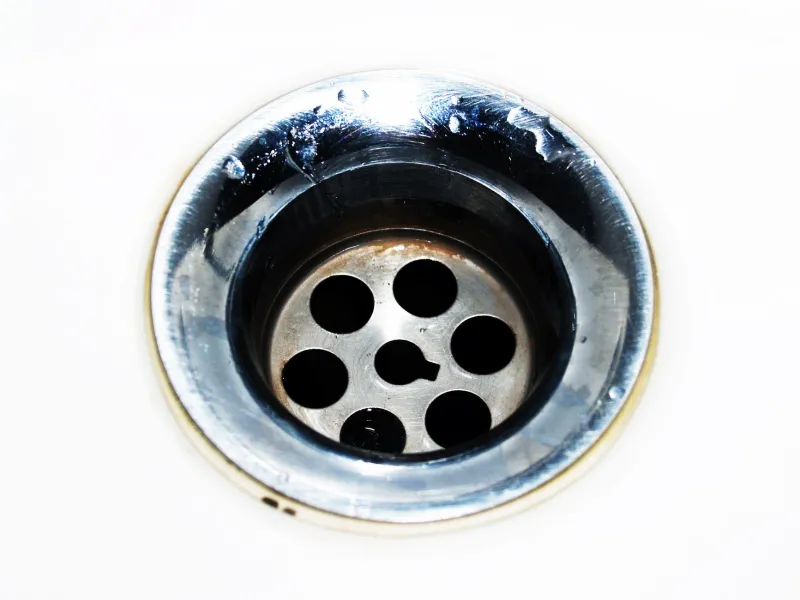
If the sink starts draining slowly, do not run the dishwasher or washing machine on top of it. Clear what you can from the plug hole, check the trap if it is accessible and safe to do so, and give the sink a rest. Do not tip caustic soda into standing water — it can splash back, damage pipes and make the eventual job worse for whoever has to open the drain.
3. The outside gully doing a fountain impression
Outside gullies and patio drains often get overlooked until heavy rain or a full house exposes them. Leaves, silt, moss and bits of garden grit collect under the grate, and the next thing you know water is pooling by the back door. If the water is clean-ish rainwater, gloves and a bucket can often clear the surface debris. Lift the grate carefully, scoop out the silt and check that the downpipe is not dumping leaves straight into the gully.
If the water smells foul, or if the gully backs up when someone uses a sink or washing machine, it is not just a leaf problem. That is a sign the drain downstream is struggling. Stop scooping and get advice.
4. The appliance waste pipe rebellion
Washing machines and dishwashers are easy to forget until a bank holiday wash load sends water bubbling out of a standpipe or back into the kitchen sink. Check the obvious first: is the hose kinked, pulled out of the standpipe or blocked by lint and food debris? If the appliance drains slowly but the sink is fine, the issue may be local to that connection.
If the sink gurgles when the washing machine empties, or water comes up in another appliance, the blockage is likely shared. Do not keep running cycles to see if it clears. You will just add more water to a drain that is already unhappy.
5. The shower or bath that leaves you standing in an inch of water
A slow shower drain is easy to ignore when it is just you. Add three or four extra people and it becomes a standing-water situation. Hair, soap scum and body wash residue are the usual suspects. A hair catcher and a quick clear-out of visible hair can make a real difference, but avoid pushing a chemical drain cleaner into a shower that is already holding water. If the water is not moving, the chemical is not moving either.
If the shower drains slowly and the basin gurgles at the same time, or the outside gully is backing up, the problem may be further along the pipe. That is a job for someone with the right tools and a clear view of the drain.
The pre-bank-holiday drain checklist
- Clear leaves and silt from outside gullies and patio drains before guests arrive.
- Check gutters and downpipes so rainwater is not being dumped straight into a blocked gully.
- Put a lidded bin in every bathroom for wipes and sanitary products. A polite note helps more than you would think.
- Keep fats and oils out of the sink. Scrape plates into the bin and wipe pans with kitchen roll before washing.
- Test slow drains before the weekend. If a sink, shower or loo is already sluggish, get it looked at before the house fills up.
- Keep a basic kit handy: rubber gloves, old towels, a bucket, a torch and a drain-safe plunger.
- Save the DrainBusters NW number in your phone before you need it, not while standing in a puddle.
When to stop DIY and call a professional
Stop and call for help if sewage is backing up, if more than one fixture is affected, if water is pooling near electrics, if an outside cover is overflowing, or if the whole house is gurgling. Also stop if you have already used a chemical cleaner and the drain is still blocked — mixing chemicals or adding more heat is not the answer.
A bank holiday does not have to become a cautionary tale told every Christmas. Ten minutes of preparation and a clear idea of when to down tools can keep the weekend from going down the drain — literally.