The Roast Tin Reckoning: Where Kitchen Fat Really Goes in a North West Home
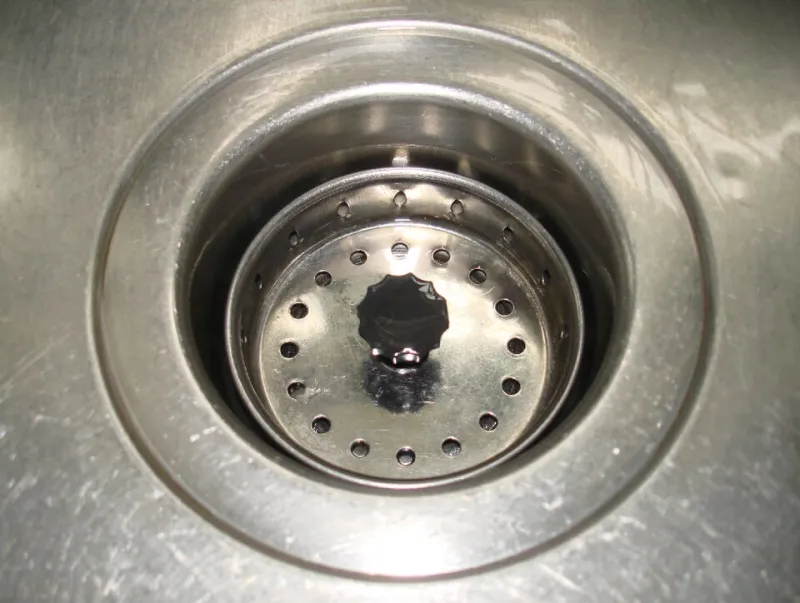
Photo: Stilfehler, CC BY-SA 3.0, via Wikimedia Commons
There is a particular moment on a Sunday afternoon when the roast tin is still warm, the gravy has set into a shiny brown skin, and someone — often me — decides that a good blast of hot water will sort it out. The tap runs. The fat melts. It disappears down the plughole. Job done.
Except it is not done. It has only started travelling.
Hot Water Is a Convincing Liar
Warm water does melt fat. That is the problem. It turns a solid into a liquid and carries it a metre or two along the waste pipe, which feels like progress. But North West ground is cool for most of the year, and the pipe under your kitchen window is not a heated extension of the hob. The fat cools again quickly, and when it does, it does not politely keep moving. It coats the inside of the pipe like candle wax on a jam jar.
Once that layer is there, everything else starts to catch on it. Washing-up water carrying crumbs, coffee grounds, rice, hair from the shower upstairs, stray bits of stuffing. A pipe that was 40mm across becomes 35mm, then 25mm, then a narrow slot. That is the early stage of what the water industry calls a fatberg, and it is not a London-only phenomenon. United Utilities deals with fat-related blockages across Greater Manchester, Merseyside, Lancashire and Cumbria every week — most of them starting at a domestic sink.
The False Comfort of Fairy Liquid
A squirt of washing-up liquid makes the water look emulsified and the sink smell clean. It does not dissolve fat. It breaks surface tension, which helps water rinse a plate, but the fat still has to go somewhere. If it goes down the plughole, it is now someone else's problem — usually yours, a few months later, at 7am on a school day.
The same goes for caustic soda. It can shift a light film in a trap, but it will not clear a cooled fat collar further along the line. Repeated chemical dosing often just moves the mess and leaves you with a pipe full of greasy, alkaline sludge and a false sense of security.
The Five-Minute Sunday Shutdown
This is the routine that works, and it takes less time than washing the roasting tin properly.
- Scrape before you rinse. Tip solids and cooled fat into the bin, not the sink. A silicone spatula does more for your drains than any bottle of drain unblocker.
- Pour fat into a jar, not the plughole. An old coffee jar or a used takeaway tub lives by the hob. When it is full, bin it. No drama.
- Wipe the tin with kitchen roll. Yes, it feels wasteful. A square of paper is cheaper than a jetting visit.
- Use a sink strainer. A cheap mesh basket catches the bits that make fat worse.
- Run cold, not hot, after washing. A short cold flush moves food debris along without melting a fresh layer of fat onto the pipe wall.
That is it. Five minutes, once a week, and the sink line stays boringly clear.
A Room-by-Room FOG Audit
The hob and roasting area. Check the space between the cooker and the wall. Fat splatter lands there, dries, and eventually gets wiped into the sink with a cloth. Wipe it with kitchen roll and bin it.
The sink and plughole. Lift the strainer. If the underside is coated in a grey-yellow film, that is fat. Scrub it in hot soapy water in the bowl, not under a running tap.
The dishwasher. Dishwasher salt and rinse aid are not fat solvents. Scrape plates before loading. Clean the filter monthly — a greasy filter recirculates fat onto every clean plate.
The fridge and leftovers. Gravy, sauces and dairy go in the bin or a food waste caddy, not down the sink. If your council collects food waste, use it. If not, double-bag and bin.
The outside gully. If your kitchen waste connects to an outside gully, lift the grate and look. A greasy, smelly, slow-draining gully is a warning, not a nuisance.
Warning Signs Your Sink Line Is Complaining
- The plughole gurgles after the bowl empties.
- Water drains slowly, then seems fine, then slow again.
- A faint sour or greasy smell rises from the plughole.
- The dishwasher backs up into the sink when it empties.
- You have cleared the same blockage twice in six months.
Any of these means fat has already started to build. It is not an emergency yet. It is a booking.
When the Grease Has Already Won
If water is standing in the bowl and not moving, stop pouring chemicals. A drain engineer will usually start with a rod or a high-pressure jetter, then put a camera down if the blockage keeps returning. The camera tells you whether it is fat, scale, a displaced joint or tree roots. That matters, because jetting a fat blockage without fixing the cause is just a temporary truce.
A good engineer will also tell you what they found and where. If they pull out a bucket of grey-yellow fat and a few wipes, that is your kitchen's fault, not the pipe's. Adjust the routine, and the next visit may never be needed.
The roast is worth it. The fatberg is not.