Sink-Side Squatters: What Drain Flies Are Really Saying About Your North West Pipes
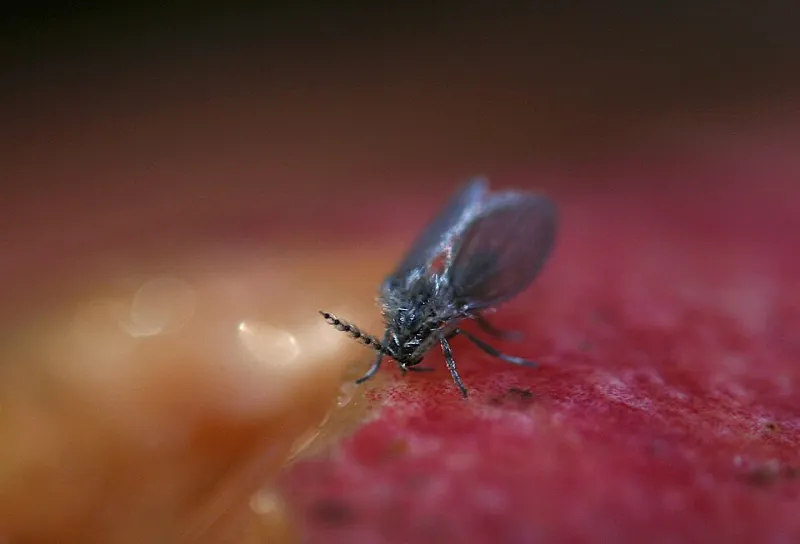
Photo: 5snake5, CC0, via Wikimedia Commons
You go for a glass of water after dark, flick the bathroom light on, and a small cloud of greyish moths lifts off the sink. Except they are not moths. They are drain flies, and in a North West home they are rarely just a cosmetic problem. They are a small, winged clue that something nearby is wet, slow-moving and covered in the kind of organic film that drain flies love.
The good news is that drain flies are fairly honest witnesses. They do not wander far from their breeding site, they do not bite, and they are not a sign that your house is falling down. The less good news is that spraying them and hoping for the best tends to solve nothing. If you want them gone, you have to deal with the drain they are using as a nursery.
First, They Are Not Moths — And They Are Not Random
Drain flies are tiny, fuzzy and moth-like, often seen resting on bathroom walls or hovering over a plug hole. They belong to a family sometimes called owl midges, and their life cycle is quick — eggs, larvae, pupae and adults can turn over in a few weeks in a warm, damp bathroom.
The important bit is that they breed in shallow, stagnant organic matter. Not necessarily a dramatic blockage. A slow-draining waste pipe with a lining of biofilm is enough. So when you see a handful of them gathered around a basin, shower tray or floor gully, the breeding site is usually within a few metres. They are not coming in from the garden. They are coming from your pipework.
The Breeding Ground Is a Film, Not a Puddle
Most people assume drain flies need standing water. In practice, they are happier with a damp film clinging to the inside of a pipe. That film is biofilm — a mix of bacteria, soap residue, skin cells, hair, food particles and grease. It is the same stuff that makes a drain smell faintly even when it is running freely.
In North West homes, the usual suspects are predictable:
- A kitchen waste pipe that carries washing-up water but has never had a proper clean.
- A bathroom basin or bath trap with a slow flow and a coating of soap scum.
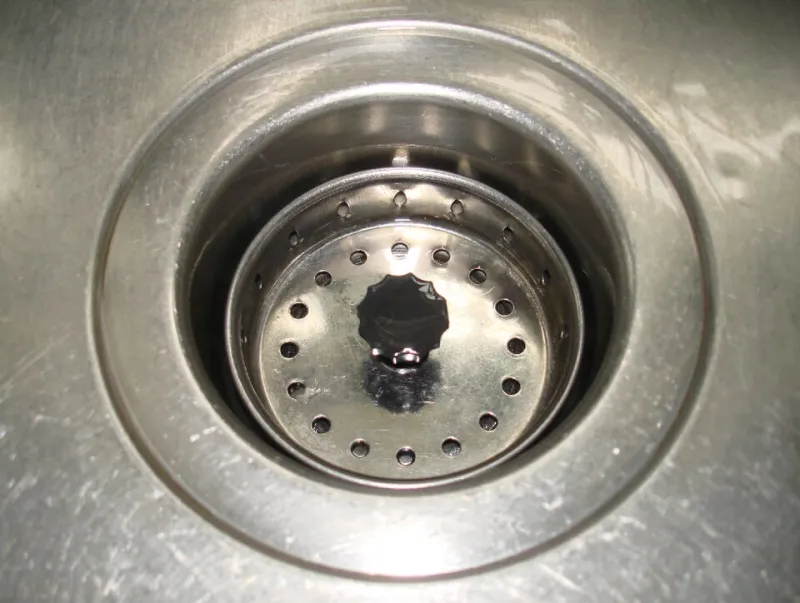
- A shower gully or floor drain that collects hair and silt.
- An appliance waste hose — washing machine or dishwasher — that slopes the wrong way or connects badly.
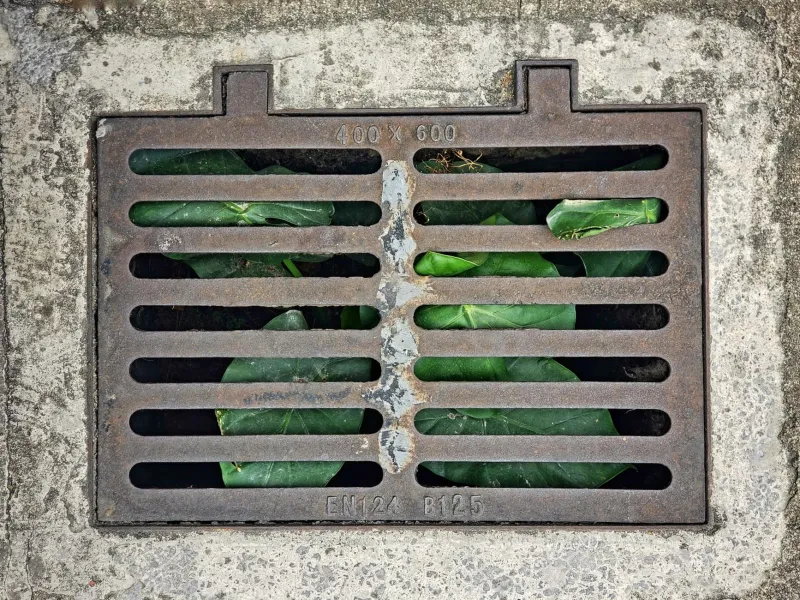
- A cellar gully or backyard drain that stays damp after wet weather.
- An overflow pipe or condensate line with a stagnant pocket.
The fly is not the problem. The fly is the indicator light.
What a Cluster of Flies Can Tell You
A few drain flies in one bathroom usually point to a localised issue: a trap, an overflow, a shower waste. A wider spread — flies in the kitchen and the bathroom, or around a backyard gully — suggests something more than one gunky plug hole.
They can also be a useful early warning about trapped fat. A kitchen waste pipe can run perfectly well for months while grease and washing-up liquid build a sticky lining on the pipe wall. The bore narrows, water slows, biofilm thickens, and drain flies move in before anyone notices a proper blockage.
They can hint at damaged pipework too. A cracked clay pipe, a slipped joint or a poorly sealed connection can let wastewater seep into surrounding soil or under a floor. If that area stays damp, drain flies may find it. In older North West terraces, with a mix of clay, cast iron and pitch fibre, that is worth taking seriously rather than simply squirting bleach down the plughole.
A failing gully is another common one. Many yards and cellars have gullies that have not been lifted and cleaned in years. Silt, leaves and soap residue collect in the base, and the fly finds exactly the conditions it wants.
Why Spraying the Bathroom Is a Dead End
The instinct is to reach for an aerosol and blast the adults. It feels satisfying for about a day. But the adults you can see are the end of the life cycle, not the beginning. The larvae are still down there in the biofilm, and more will emerge.
Insecticide down a drain is not a great idea either. It can upset the biological balance of a septic system or treatment plant, and it does nothing about the organic film that is causing the problem. Bleach is similarly limited: it may lighten the surface, but it does not remove the layer of waste the larvae are feeding on.
The only reliable approach is mechanical cleaning followed by a maintenance routine that keeps the biofilm from rebuilding.
The Proper Clear-Out: A Practical Sequence
Start by identifying the source. Check every drain in the room: basin, bath, shower, floor gully, overflow, appliance hose. The flies are usually clustered nearest the breeding site, but it is worth ruling out the obvious ones first.
For a basin or bath trap, remove the trap or lift the plug and scrub the inside with a bottle brush. Pay attention to the overflow slot, which is a classic hiding place. For a shower gully, lift the cover, scoop out hair and silt, then scrub the gully walls rather than just flushing them.
For a kitchen waste pipe, if you can access the trap, clean it properly. If the run is long or the pipe is partly blocked, a flexible drain brush or a rod may be needed. Hot — not boiling — water with a little washing-up liquid can help flush loosened residue, but it will not replace scrubbing.
After cleaning, an enzyme-based drain maintainer can help break down residual film. These products work slowly and are not a substitute for removing the bulk of the muck, but they are useful for keeping a cleaned pipe cleaner for longer.
If the flies return after two proper cleans, or if several drains are affected, that is the point to stop guessing. A CCTV drain survey can show whether there is a crack, a dropped pipe or a failed joint holding damp waste somewhere you cannot reach.
Prevention That Actually Works
Keep fat out of the kitchen sink. Wipe greasy pans before washing, use a sink strainer, and do not treat the waste pipe as a disposal route for cooking oil. Keep plugs and traps clear of hair. Check the overflow now and then. If a drain is slow, deal with it before it becomes a fly nursery.
In older North West properties, add one more habit: lift the backyard or cellar gully cover a couple of times a year and scoop out the silt. It is a five-minute job that prevents a surprising number of problems.
Drain flies are not a reason to panic. They are a free inspection report, delivered by something the size of a fruit fly. Read the message, clean the drain properly, and they will usually disappear on their own.