The Sump in the Cellar: Pumps, Power Cuts and North West Groundwater
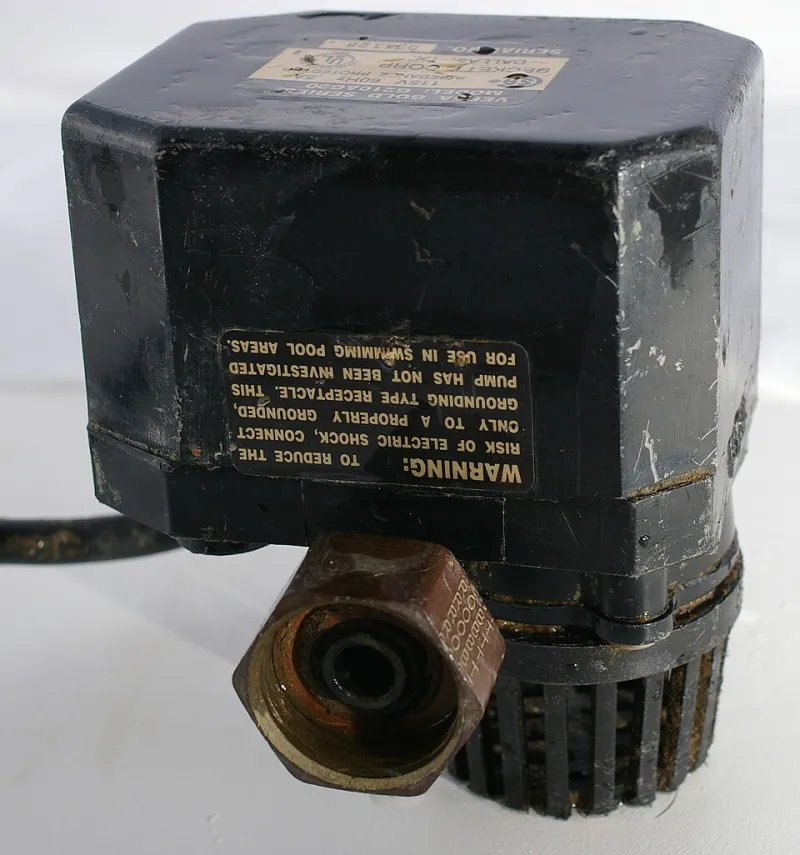
Photo: Hustvedt, CC BY-SA 3.0, via Wikimedia Commons
There’s a particular smell that hits you at the top of a cellar step after a wet week: cold brick, old dust, and something faintly pond-like. In a lot of North West homes — the terraces with a coal hole, the mill conversions, the older semis built into a slope — that smell is the first sign the water table has crept up and the floor is losing the argument.
A bucket and a stiff brush will get you through one bad weekend. They won’t get you through a winter. That’s where a sump pump comes in, and where a lot of homeowners discover they’ve bought the wrong answer to the right question.
What a sump pump is actually doing down there
Strip it back and a sump pump is a simple idea. Someone cuts a pit — usually a plastic liner, maybe 60cm across and a similar depth — at the lowest point of the cellar floor. Groundwater and surface seepage drain into it. When the water hits a set level, a float switch tips and a pump kicks in, pushing the water up a discharge pipe and out to a drain, a soakaway or a safe outlet away from the building.
The pump doesn’t stop water getting in. It stops water staying in. That distinction matters, because a lot of damp-cellars get sold a pump when what they actually need is a working land drain, a repaired gutter or a proper look at why the ground is wet in the first place.
Most domestic units are rated in litres per minute and in how high they can push water — the “head”. A pump that’s fine for a shallow cellar with a short run to a gully can be hopeless if the discharge has to climb two metres and travel across a garden. Always match the unit to the job, not to the price tag on the shelf.
The warning signs yours is running out of road
A sump pump is a working appliance sitting in dirty water. It doesn’t last forever, and it rarely fails politely on a dry Tuesday. The clues tend to stack up:
- It’s older than you think. Seven to ten years is a reasonable life for a domestic pump. If the previous owner fitted it and never mentioned it, assume it’s older than that.
- It runs far more often than it used to. Short cycling — on and off every few minutes — can mean a stuck float, a failing check valve, or water arriving faster than the pit can handle.
- It’s noisy in a new way. Grinding or rattling usually means grit or a worn impeller. A pump that sounds like it’s chewing gravel is on borrowed time.
- The pit won’t empty. If the water level stays high after the pump has run, the impeller is clogged or the discharge is blocked.
- There’s a tide mark on the wall. A ring of damp around the pit at a level above the trigger point tells you the pump has been losing the race.
- The float sticks. Lift it by hand. It should move freely and click. If it feels gritty or sluggish, clean the pit and check again — but don’t assume it’s fixed.
A high-level alarm, either a separate float or a small battery unit, is cheap insurance. It gives you a shout before the water reaches the boxes of Christmas decorations.
When the lights go out
The uncomfortable truth about sump pumps is that the weather that causes the flooding is often the weather that cuts the power. A standard mains pump with no backup is one trip of the RCD away from silence.
There are a few ways round it. A battery backup unit with its own inverter and 12V pump will run for hours, sometimes longer, depending on how often it has to work. A UPS-style setup can keep the existing pump going for a shorter period. A small generator is the blunt instrument option, but only if someone is home to start it and you can run it safely away from the house.
What matters is that you test the backup. A battery that’s never been asked to work is a battery you can’t trust. Most units have a test button; use it monthly, and replace the battery on the schedule the maker gives you, not when it finally gives up.
The maintenance routine that keeps a cellar dry
You don’t need a service contract to look after a sump pump, but you do need ten minutes a month and a bit of discipline:
- Pour a bucket of water into the pit and watch the pump start, run and stop. Listen for changes.
- Check the float moves freely and isn’t tangled in cable or debris.
- Clear the pit of silt, leaves and grit. A dirty pit wears out impellers.
- Check the discharge pipe for kinks, splits or a blocked outlet. In autumn, make sure the outside end isn’t buried under fallen leaves.
- Look at the non-return valve. If water drains back into the pit after the pump stops, it’s failed and the pump is doing the same job twice.
- Test the alarm if you have one, and check the backup battery.
If the discharge runs to a soakaway, make sure it isn’t waterlogged. In heavy clay, a soakaway can back up and send water straight back where it came from.
When a pump is papering over the cracks
This is the bit a lot of quotes leave out. A sump pump is a management tool, not a cure. If the cellar is wet because a land drain has silted up, because a gutter downpipe discharges straight into the ground next to the wall, or because a cracked gully is leaking under the floor, a pump will keep the floor drier while the actual problem quietly gets worse.
North West ground doesn’t help. Clay holds water, sandstone lets it move, and hillside properties can take runoff from land that isn’t even theirs. A pump can be the right long-term answer for a genuinely high water table. It’s the wrong answer for a broken pipe or a blocked drainage run that nobody has bothered to investigate.
Before you pay for an installation, ask where the water is coming from and whether anyone has actually looked. If the answer is a shrug and a drill, get a second opinion.
Questions worth asking before you hand over a deposit
- Where does the discharge go, and is that outlet legal and sensible?
- What flow rate and head height does the pump need to cope with, and how was that worked out?
- Is there a non-return valve, a high-level alarm and a backup option included?
- How noisy is it, and where will the pipe run?
- What’s the warranty, and who honours it?
- Has the cause of the damp been checked, or is the pump the whole plan?
A well-chosen, well-maintained sump pump can turn a damp storage room back into a usable cellar. It can’t fix a drainage problem it was never designed to solve — and no pump should be asked to.