Willows, Poplars and the Pipes Below: A Drain-Safe Tree Guide for North West Gardens
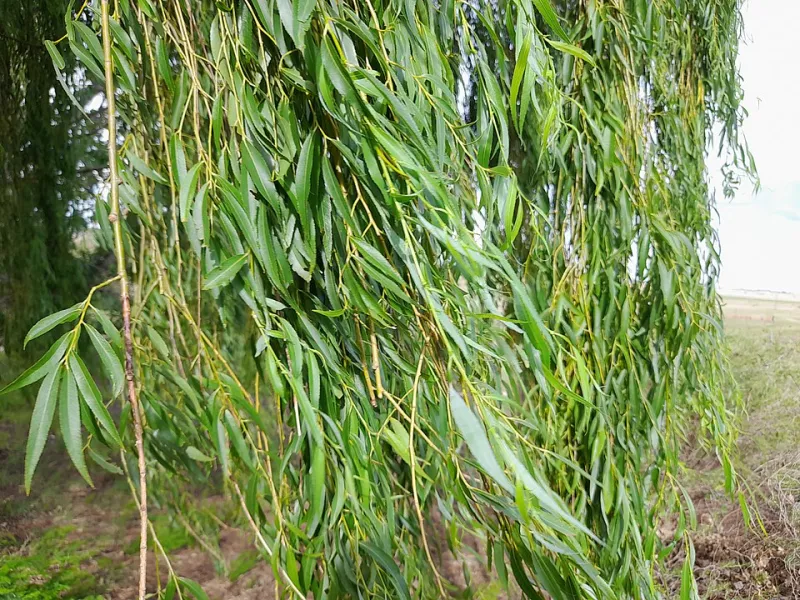
Photo: TSELANELEDIMO, CC0, via Wikimedia Commons
There are few things more North West than a soggy garden, a mature tree at the bottom of it, and a drain that gurgles every time it rains. Put those three together and you have a question drainage engineers hear a lot: is that tree causing my blockage?
The honest answer is sometimes yes, sometimes no, and occasionally definitely yes but not in the way you think. Tree roots are not malicious. They are opportunistic. They follow moisture, oxygen and nutrients, and an older drain with a hairline crack or a loosened joint can look like a very good place to set up camp.
Why North West pipes and roots are such a bad mix
Lots of North West housing stock still has clay or salt-glazed drainage pipes under the garden. These can last a very long time, but they are not flexible. Ground movement, tree roots, heavy traffic over a driveway and simple age can open up joints or produce fine cracks. Once a root hair gets inside, it can swell and branch until the pipe is partly blocked.
Our climate does not help. Wet winters and heavy local soils keep trees growing, and shallow drains stay attractive. Newer plastic pipes are more forgiving, but they are not immune. A poorly bedded joint or a damaged section can still leak enough to draw roots in.
The usual suspects in a North West garden
Willow and poplar are the classic drain troublemakers. They are thirsty, fast-growing and happy to send roots a long way in search of water. Sycamore is another one to watch: it seeds freely, grows quickly and often ends up in exactly the wrong corner of a garden. Leylandii hedges are a familiar sight too, and their dense, competitive root systems can cause problems near boundaries and buried services.
That does not mean every willow within sight of a drain is a disaster. A mature tree several metres away from a sound pipe may never cause an issue. The risk goes up when the pipe is old, already leaking, or running close to the tree's root zone.
Warning signs that roots have found the pipe
Root intrusion rarely announces itself with a dramatic fountain. More often you get slow drainage in one sink or bath, repeated blockages in the same spot, gurgling noises, or a drain that backs up after heavy rain. A foul smell outside, a sunken strip of lawn, or an unusually lush green patch above a drain run can also be a clue.
Roots in an inspection chamber are a fairly clear sign that something is going on below. But none of these symptoms prove roots are the culprit. Fat, wipes, collapsed pipework and poor falls can all cause similar behaviour. A camera survey is the way to stop guessing.
How close is too close?
There is no single magic number, because species, soil, pipe condition and drain depth all matter. As a practical rule of thumb, keep small ornamental trees at least 3 to 5 metres from a drain run, medium trees around 6 to 10 metres, and large water-hungry trees such as willow and poplar 15 metres or more away where possible. If the pipe is already damaged or the ground is wet and heavy, err on the generous side.
If you are buying or selling a house, check where the drains run before you plant anything ambitious. A sewer map and a bit of measuring now is far cheaper than an excavation later.
Root barriers: useful, but not magic
A properly installed root barrier can protect a drain, but it needs to be the right type, at the right depth, with overlapping joints and a sensible line between tree and pipe. A bit of plastic shoved into the soil is not a barrier. Installation usually means professional help, especially where drains or services are close by.
A barrier redirects roots rather than killing the tree, so it is not a substitute for choosing the right tree in the first place. It is also not a reason to plant a willow right on top of a Victorian salt-glazed drain and hope for the best.
Better plant choices for drain-side gardens
If you want structure without the root anxiety, think smaller and slower. Rowan, crab apple, ornamental cherry on a compact rootstock, Amelanchier, Japanese maple and dwarf fruit trees are all more manageable in a modest garden. Hazel, flowering currant and dwarf conifers can work too, provided they have space and are not planted directly over a drain.
For hedges, yew and hornbeam are slower and more predictable than leylandii. If you love the look of willow, a dwarf variety in a large container well away from drainage runs is a safer compromise than a full-sized tree in wet ground.
When to call in a camera survey or drainage engineer
Call in a professional if you have repeated blockages in the same drain, slow drainage that keeps coming back, roots visible in a chamber, or an older clay drain near a large tree. A CCTV survey should identify the problem, show the location and give you a report you can act on. Root cutting or jetting may clear the pipe, but if the pipe is cracked or displaced, a repair or liner may be the real fix.
At DrainBusters NW, the advice is simple: do not pour caustic soda down a drain and assume the tree has lost. Get the pipe looked at, find out what is actually happening, and then decide whether the tree stays, moves or gets a barrier. Clear drains, straight advice — especially when there is a willow involved.